My dad can fix anything. Mechanical, electrical, electronics—cars, switches, a stubborn motor that “shouldn’t” work again. His instinct is always the same: reach for the cutting pliers, find the right screwdriver, open the thing up, and listen to it with his hands. As a kid, I thought this was just a talent. Now I realize it’s a kind of curiosity I’ve always wanted to inherit—and I still don’t know if it’s too late to learn it from him.
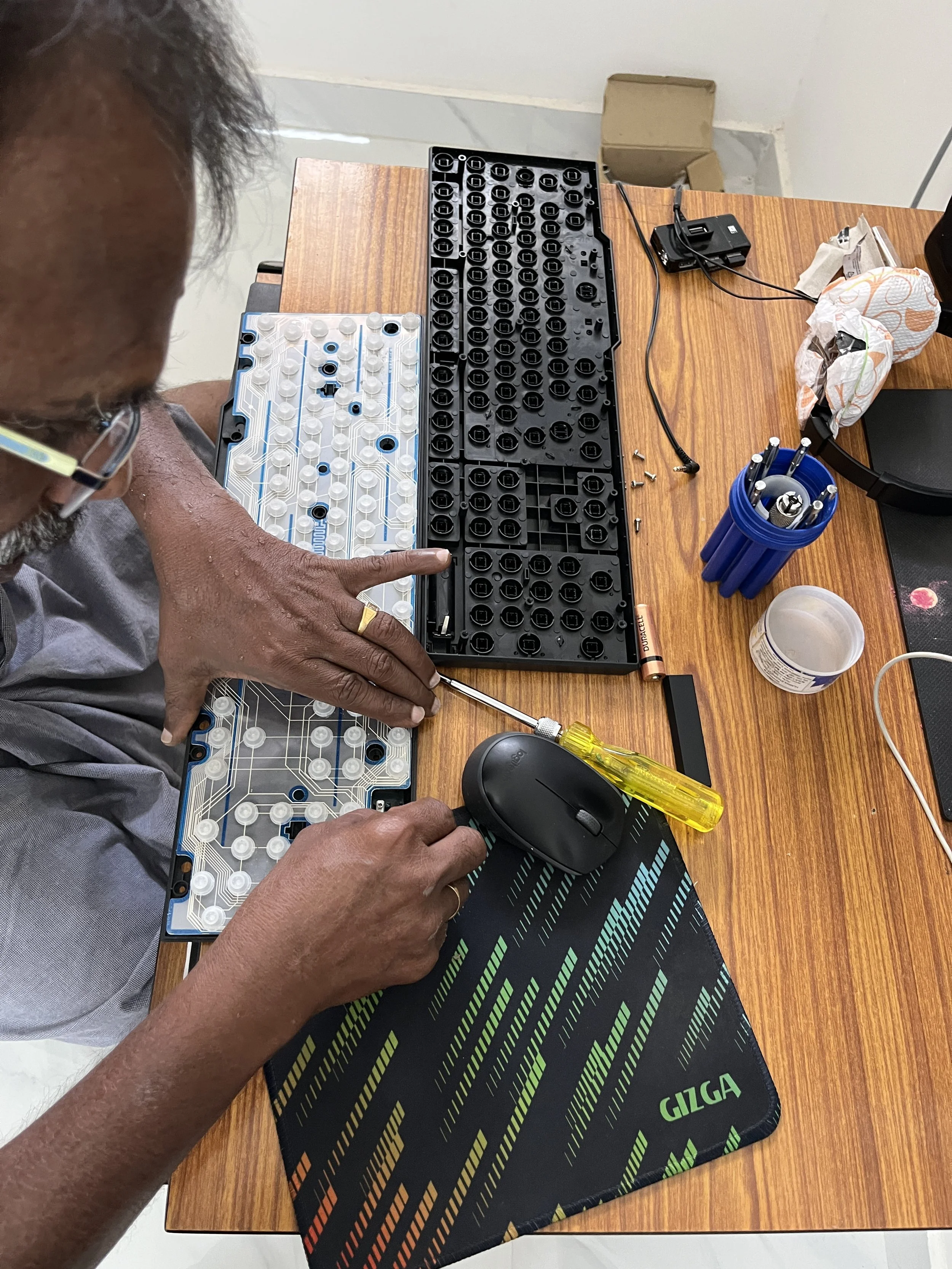
Because the world around us is moving in the opposite direction. So many products feel like they’re designed to survive exactly two-three warranty period and then quietly die—sealed shut, glued together, locked behind software, made disposable by design. In that context, repairing something becomes more than a “break-fix” moment. It starts to feel like a fundamental struggle over what ownership even means in the digital age.
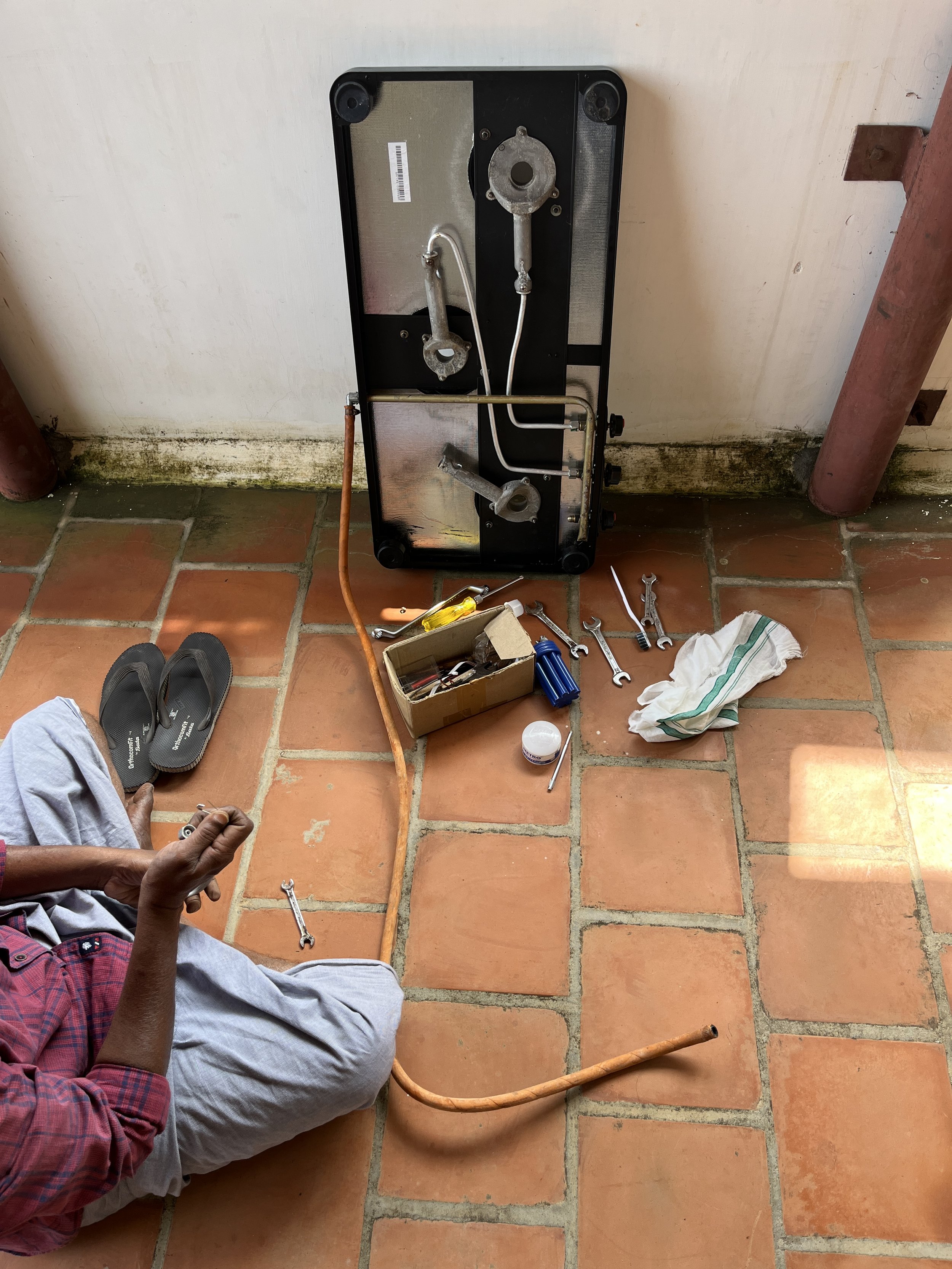
And that’s why the right-to-repair idea hits me in the gut: it’s not just permission to tinker, it’s access—spare parts you can actually afford, real documentation, and the tools and diagnostics that aren’t kept hostage. When people go to repair shops or resurrect an old device at home, it isn’t only about saving money or reducing waste. It’s cultural preservation. It’s a small, stubborn refusal to live in a throwaway world—and a quiet vote for craftsmanship, longevity, and making things personal again.